How to Make Your Home Look Expensive on a Budget: My Complete Guide
I still remember the evening that changed everything for me. I had just come home from visiting my friend Sarah’s new apartment. Her living room was breathtaking. Soft linen curtains that pooled just slightly on the floor. Warm light from three different lamps scattered around the room. A single stunning ceramic vase holding dried branches on her coffee table. Everything felt calm, intentional, and effortlessly luxurious.
I walked into my own living room and felt something sink in my chest. I had spent more money on my decor than Sarah had. My sofa cost twice as much as hers. Yet her home looked like it belonged in a design magazine while mine looked… average. Cluttered. Uninspired.
That night I sat on my expensive but somehow underwhelming sofa and asked myself a question that started a two year journey. What actually makes a home look expensive? Is it the price tags? The brand names? Or something else entirely?
What I discovered surprised me. The secret to an expensive looking home has very little to do with money and almost everything to do with intention. Today I am sharing every single lesson I learned along the way. No designer secrets. No unrealistic budgets. Just practical, honest advice from someone who figured it out through trial and error.
The One Thing That Changes Everything
Before I share any specific tips, I want to tell you about the single biggest shift in my thinking. It changed how I approach every room in my home.
For years I believed that an expensive looking home was filled with expensive things. Walk through any high end home and surely you will spot the pricey sofa, the designer lamp, the original art. But here is what I eventually understood. Those things are not what make the room feel luxurious. What makes it feel luxurious is intentionality.
Every object in a well designed room has a reason for being there. Every surface has been considered. Every corner tells a small story. Most homes, including mine for years, are filled with things we bought on impulse. A cushion here, a candle there, a random vase from a clearance sale. None of it is wrong individually but collectively it lacks a point of view.
An expensive looking home has a clear point of view. That is what we are going to build for you today.
My Five Foundational Principles
These five principles form the backbone of every single tip I am about to share. If you remember nothing else from this guide, remember these. They will guide every decorating decision you make from now on.
Principle One. Edit Ruthlessly.
The single fastest way to make a room look more expensive is to remove things, not add them. Walk through any room in your home right now. Count how many objects are on each surface. In a truly curated space, each surface has three to five items maximum and each item has breathing room around it.
I start my decorating process not by buying new things but by removing everything from a surface and only putting back the pieces I genuinely love. It is shocking how much better a room looks with less stuff in it.
Principle Two. Invest Where Your Body Touches.
Spend money on the things that affect your physical comfort. Your sofa. Your mattress. Your bedding. Your dining chair. These are the pieces that communicate quality immediately because people can see and feel the difference.
Everything else can be budget finds. A cheap vase on a quality console table still looks good. A cheap sofa will always look and feel cheap no matter how many nice cushions you put on it.
Principle Three. Let Light Lead the Way.
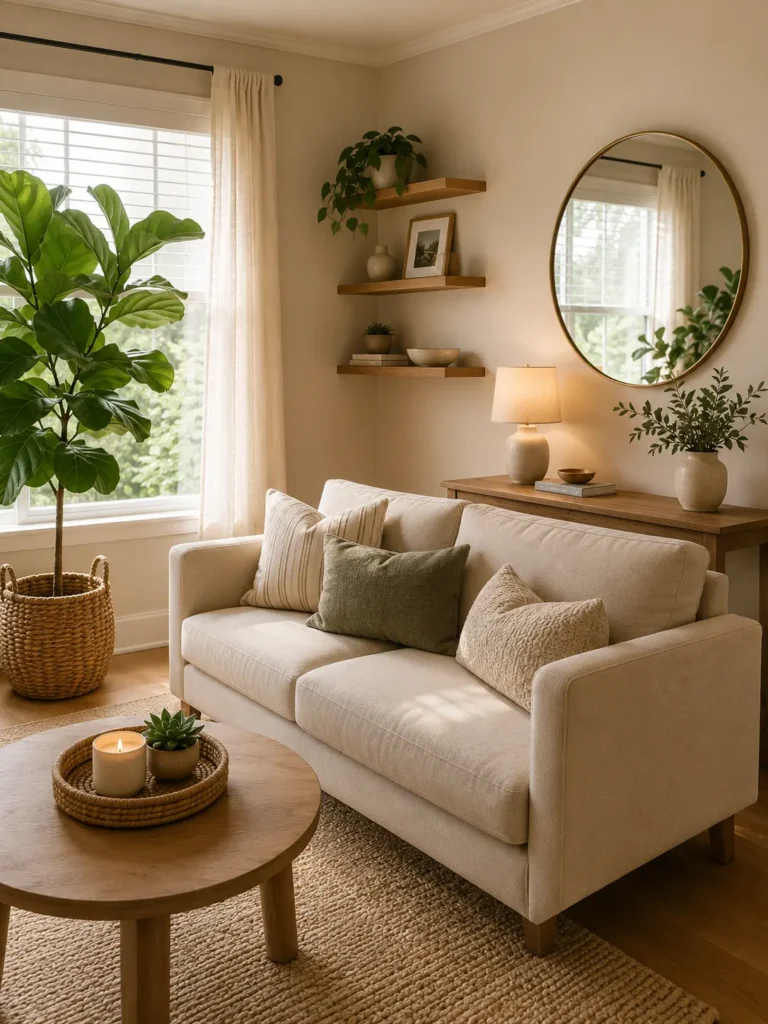
Natural light is the most underrated luxury in any home. I never block windows with heavy furniture. I choose curtain rods that extend well past the window frame so curtains can be pulled completely aside. I use mirrors strategically to bounce light deeper into rooms.
A well lit room with modest decor looks more expensive than a dark room filled with pricey furniture. This is a hill I will die on.
Principle Four. Create Cohesion Through a Limited Palette.
Walk into any luxury hotel lobby. Notice how few colours are actually present. Usually three to five colours and they repeat throughout the space. That repetition creates a sense of design and intention.
In my home I use warm ivory, muted sage green, light wood, and touches of matte black. Every room carries these colours in different proportions so the whole home feels connected. When you walk from my living room to my bedroom, the colours shift but the story continues.
Principle Five. Embrace Negative Space.
Not every wall needs art. Not every corner needs a chair. Not every surface needs objects. Empty space is a luxury. It tells the eye where to rest and makes the items you do display feel more significant.
When in doubt, leave it out. This has become my decorating mantra.
Lighting That Instantly Elevates Any Room
Lighting is my number one trick for making a home feel expensive because it is the cheapest transformation with the biggest impact. You can change every light bulb in your home for under fifty dollars and the difference will feel like a renovation.
Kill the Overhead Light.
I say this with love but overhead lighting is the enemy of atmosphere. A single ceiling fixture casts harsh, unflattering shadows and makes every room feel like a waiting area. In my home, overhead lights only come on when I am cleaning or searching for something I dropped. The rest of the time, I use layered lighting from multiple sources.
The Three Source Rule.
Every room should have at least three light sources at different heights. In my living room I have a floor lamp in one corner, a table lamp on the console, and a small accent light on a shelf. The layers create depth and warmth that a single overhead light could never achieve.
Warm Bulbs Are Non Negotiable.
For living spaces and bedrooms, use bulbs between 2700K and 3000K. This is warm white, the colour of candlelight and golden hour. Cool white bulbs make a home feel like a hospital. This single switch costs a few dollars per bulb and transforms the feeling of a room instantly.
Candles Are Not Just for Special Occasions.
I keep a candle burning on my coffee table most evenings. The flickering light, the subtle scent, the warmth. It is the cheapest luxury I know and it makes any room feel ten times more inviting within seconds.
The Power of Textiles and Texture
Nothing whispers luxury quite like good textiles. The right fabrics catch light, invite touch, and add a layer of softness that makes a room feel complete and lived in.
Linen Is Worth Every Penny.
I am evangelical about linen. Linen curtains, linen cushion covers, a linen throw draped over an armchair. Linen has a natural slub and texture that looks effortlessly expensive. Yes, it wrinkles. That wrinkling is precisely what makes it look relaxed and luxurious rather than stiff and formal.
I have slowly replaced all my cotton cushion covers with linen ones and the difference in how my sofa feels and looks is remarkable.
Layer Your Textures Intentionally.
A room with only smooth surfaces feels flat and cold. A room with too many textures feels chaotic and busy. The sweet spot is three to five textures per room, each distinct from the others.
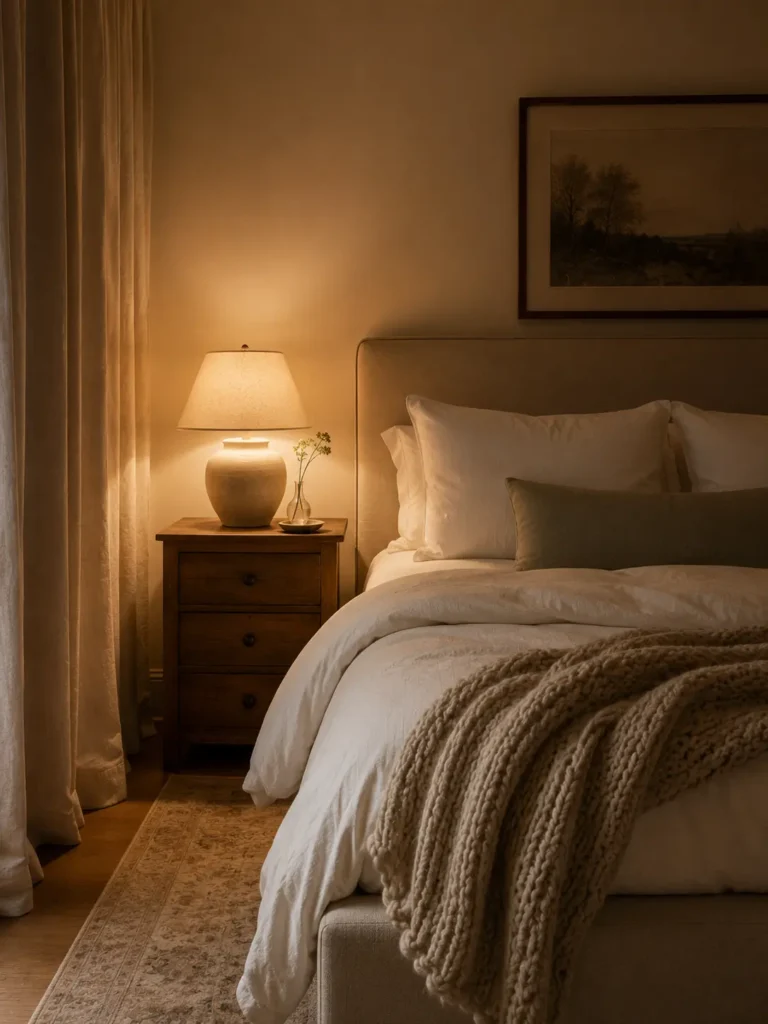
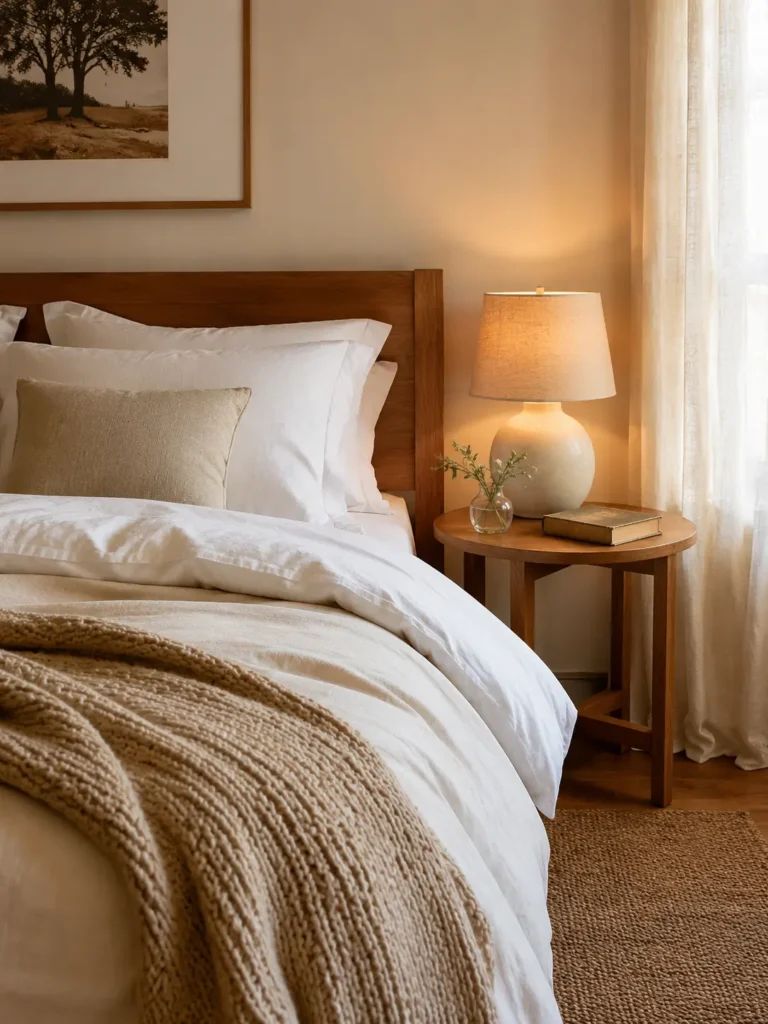
In my bedroom I layer crisp cotton sheets, a soft linen duvet cover, a chunky knit throw at the foot of the bed, and a small velvet cushion. Each texture contrasts with the others, which makes all of them feel more intentional and considered.
Curtains That Touch the Floor.
Curtains that stop at the windowsill look like you bought the wrong size. Curtains that just kiss the floor or puddle slightly look custom made. Mount your curtain rod as close to the ceiling as you can and extend it wider than the window. The extra fabric cost is minimal. The visual impact is massive.
A Good Rug Anchors Everything.
A rug that is too small makes the whole room feel disjointed and awkward. The rule I follow is that at least the front legs of every piece of furniture in a seating area should sit on the rug. This unifies the arrangement and defines the space clearly.
Look for natural fibres like wool, jute, or cotton blends. They wear beautifully over time and feel substantial underfoot.
Styling Surfaces Like a Designer
Here is where the magic really happens. How you style your surfaces, coffee tables, consoles, shelves, side tables, is what separates a home that looks decorated from one that looks designed.
The Tray Is Your Secret Weapon.
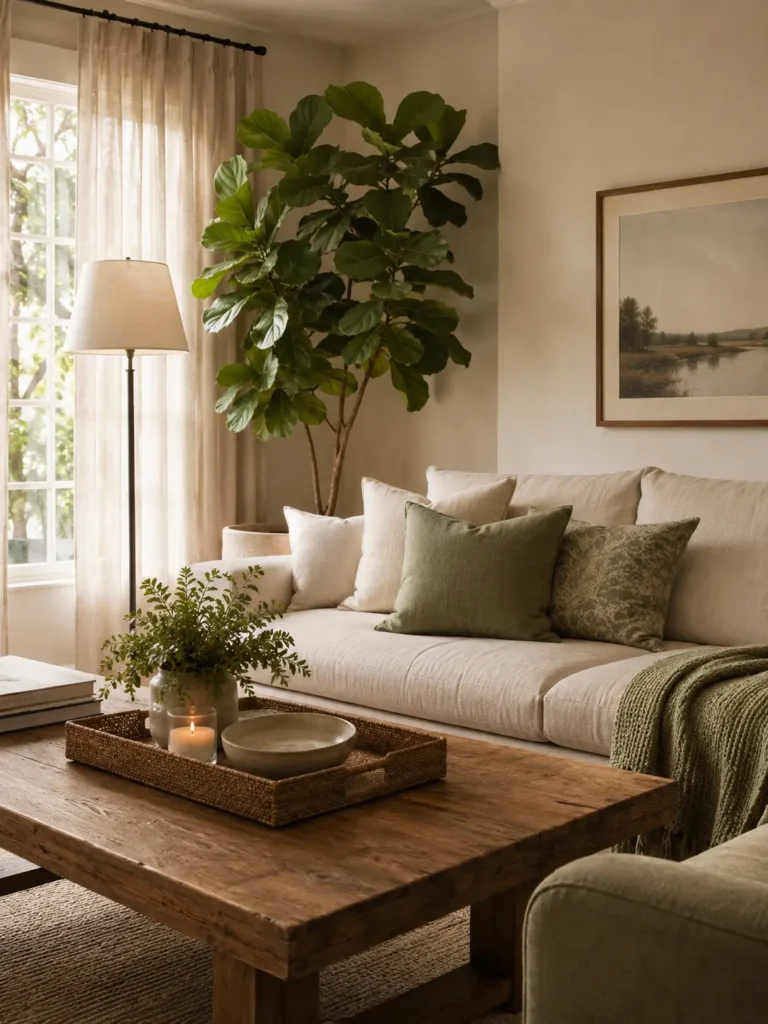
A tray is the single most transformative styling tool I have ever found. It takes a collection of small objects and makes them a deliberate grouping. On my coffee table I use a rectangular wooden tray to hold a candle, a small plant, and a ceramic bowl. Without the tray they would be three random things. With the tray they are a vignette.
You can find beautiful trays at thrift stores, home goods stores, or even use a large wooden cutting board. The border of the tray says these things belong together. It is almost magical how well it works.
Follow the Rule of Threes.
Designers group objects in odd numbers, most commonly threes. Three objects of varying heights create a balanced, dynamic arrangement. One tall object like a vase with stems. One medium object like a candle or a small stack of books. One low object like a small bowl or a decorative object.
Group them together so they overlap slightly and feel like a family rather than strangers standing awkwardly next to each other.
Books Are Decor, Not Just Reading Material.
I collect used books with beautiful covers and spines in colours that match my palette. A small stack of two or three books with a small object on top creates an instant styled moment. Remove the dust jackets to reveal the actual book cover underneath. Old hardcovers in muted tones are especially beautiful and cost next to nothing at thrift stores.
Leave Room to Breathe.
After styling a surface, remove one item. The negative space that item leaves behind is what makes the remaining items feel important and considered. I constantly have to stop myself from adding just one more thing. Restraint is the hardest styling skill to learn and also the most impactful.
The Art of the Statement Piece
Every room benefits from one moment of drama. Not ten moments. One.
One Large Piece Over Many Small Ones.
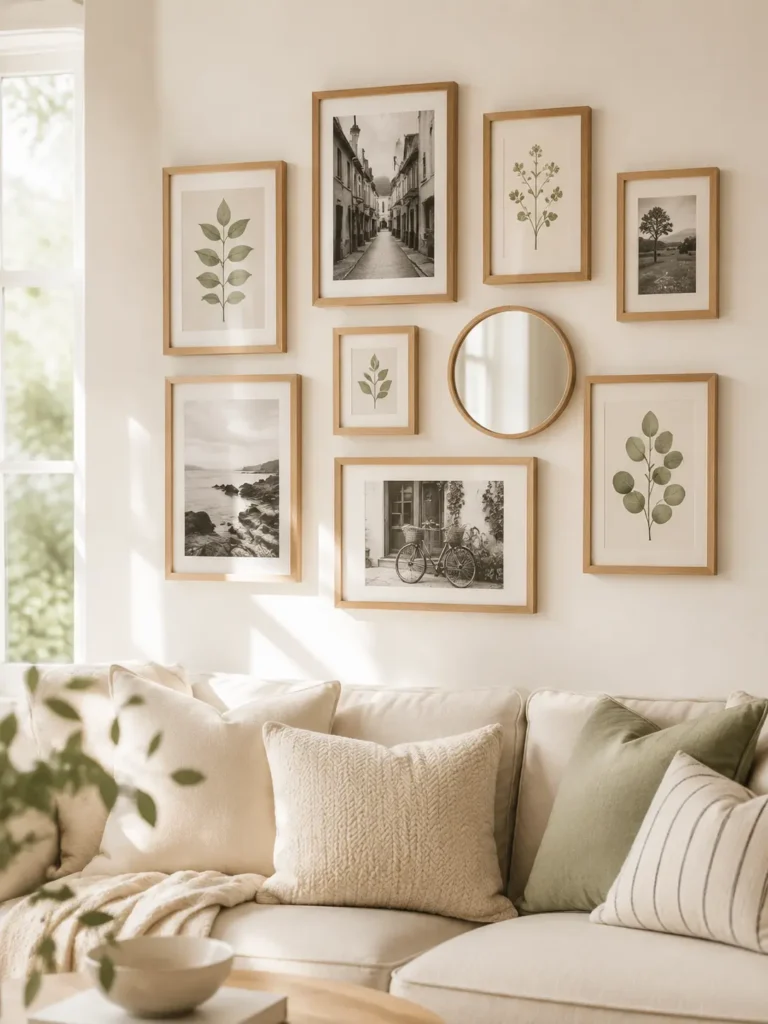
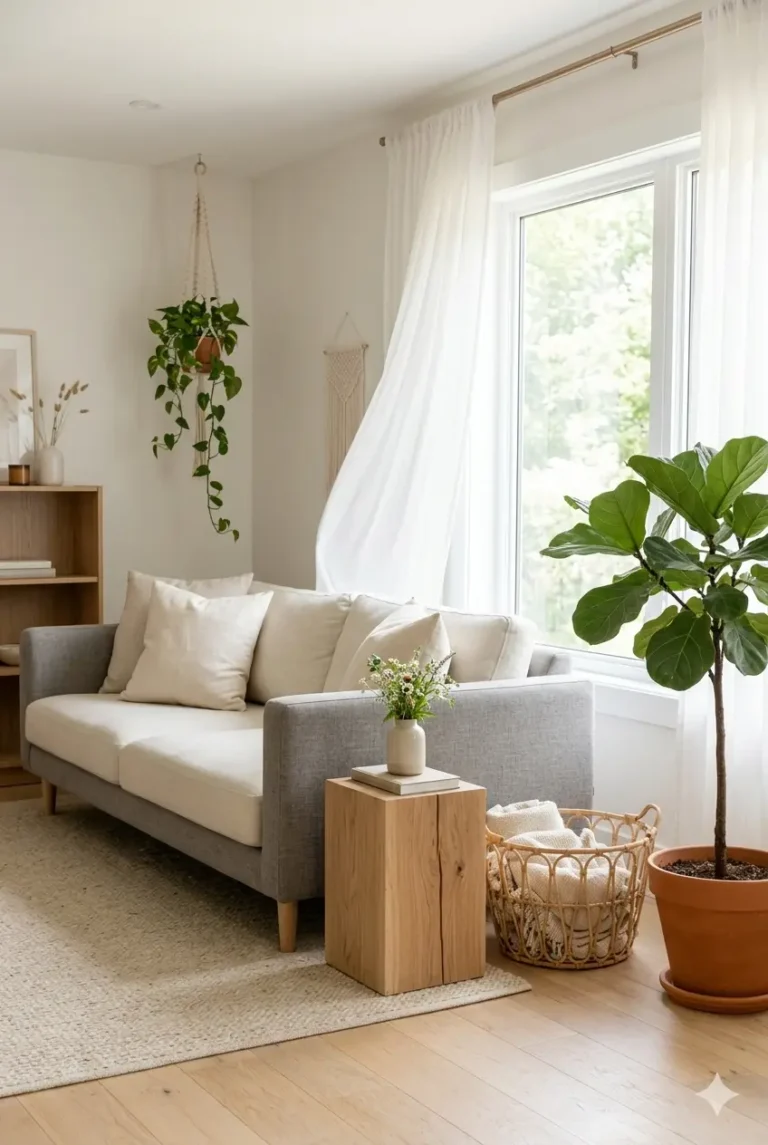
A single large piece of art over the sofa has far more impact than a cluster of small prints. A tall, dramatic plant in a beautiful pot draws more attention than five small plants scattered around. Choose your statement piece for each room and let everything else support it rather than compete with it.
Make It Personal, Not Generic.
Your statement piece should say something about you. A vintage mirror you found at a flea market. A painting by a local artist you discovered on holiday. A piece of furniture inherited from a grandparent. The story makes the object interesting. Mass produced statement pieces from big box stores miss the point entirely.
Give It Room to Shine.
The biggest mistake I see is crowding a statement piece. A large piece of art needs a generous border of empty wall around it. A dramatic plant needs its own corner. Do not let your other decor creep in and dilute the impact.
The Scent of Home
Luxury homes smell good. Not overpowering. Not artificial. Just clean, fresh, and subtly scented.
One Signature Scent for the Whole Home.
I use a sandalwood and vanilla candle in my living room and a linen spray with the same scent family on my bedding. The consistency of scent from room to room creates a subtle but powerful throughline. Guests often comment that my home smells nice without being able to identify exactly why.
Fresh Air Is the Best Fragrance.
Open windows whenever possible. Fresh air does more for a home’s atmosphere than any candle ever could. I air out my home for at least ten minutes every morning, even in winter. It costs nothing and makes everything feel cleaner and fresher.
The Clutter Conundrum
No amount of beautiful decor can overcome visible clutter. The most expensive home in the world looks cheap when it is messy.
Every Item Needs a Home.
Clutter happens when objects do not have a designated place. Mail piles up because there is no system for processing it. Chargers tangle because there is no drawer for them. Spend a weekend assigning every category of object in your home a specific storage location. Then enforce it gently but consistently.
Daily Reset.
I spend ten minutes every evening doing a surface sweep of my main living spaces. Cushions straightened. Coffee table tidied. Kitchen counters wiped. Dishes put away. Walking into a clean room in the morning is a small gift to my future self and I never regret those ten minutes.
The One In, One Out Rule.
For every new decorative object I bring into my home, one must leave. This keeps the total amount of stuff stable over time and forces me to be intentional about purchases. It also makes me think twice before buying something new because I know something I already own will have to go.
Room by Room Summary
If you are feeling overwhelmed by all of this, let me simplify it for you. Here is exactly what I would do in each room if I were starting from scratch tomorrow.
Living Room. Float furniture away from walls even just a few inches. Layer three light sources. Use a large tray on the coffee table to contain smaller objects. Hang curtains high and wide. Add one large statement plant in a beautiful pot.
Bedroom. Invest in quality white or ivory bedding first and foremost. Layer textures with a throw and a cushion or two. Use only warm lamps, never overhead light. Keep bedside tables minimal with just a lamp, a book, and maybe a small vase. Add a soft rug underfoot so your feet land on something warm every morning.
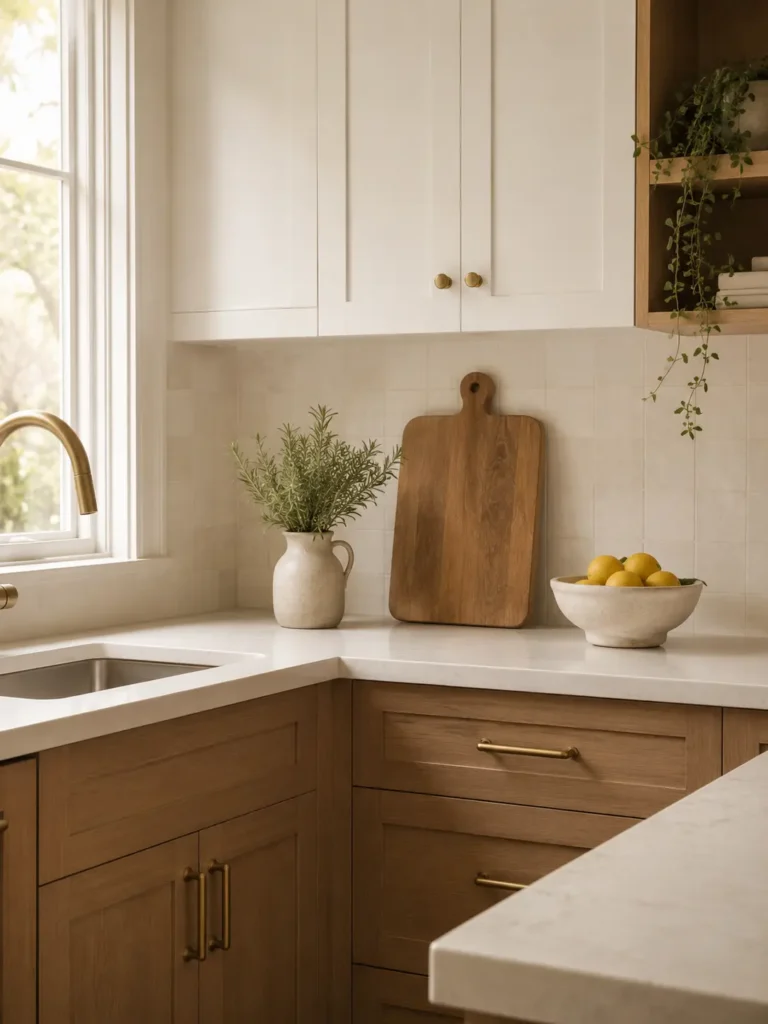
Kitchen. Clear countertops of everything except one or two beautiful objects like a wooden board, a vase, or a bowl of fresh fruit. Decant pantry staples into matching containers if you can. Replace cabinet hardware if yours is basic builder grade. This is a weekend project that costs very little and makes every cabinet feel custom.
Bathroom. White towels only, hotel style. A small plant or candle on the counter. Declutter products ruthlessly. A clean, sparse bathroom always looks more luxurious than one overflowing with half empty bottles.
My Personal Promise to You
I need to be honest with you about something. Creating an expensive looking home is not about impressing other people. It is about creating a space that makes you feel calm, proud, and completely at ease.
When I walk into my home after a long day and everything is in its place, the surfaces are clear, the light is warm, and my favourite candle is burning, I exhale. That feeling is the real luxury. That is what I want for you.
Start small. Choose one tip from this guide and implement it this weekend. Change your light bulbs to warm ones. Buy a tray for your coffee table. Clear your kitchen counters. Notice how that one small change makes you feel. Then do one more.
A beautiful home is not something you achieve overnight. It is something you build, one intentional choice at a time, until one day you look around and realize you are living in exactly the space you always wanted.
What to Read Next
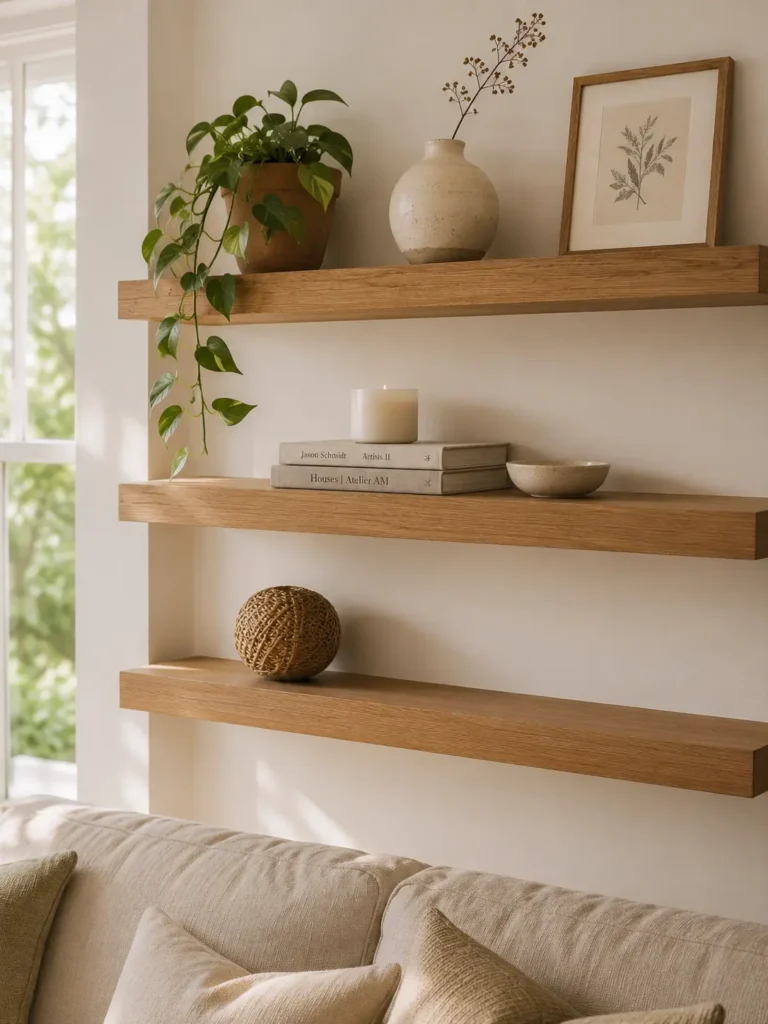
If this guide resonated with you, I have written several detailed articles that go deeper into specific topics. My coffee table styling formula breaks down exactly how to style your coffee table like a designer in under ten minutes. My floating shelf decor guide helps you style shelves that look curated rather than cluttered. And my gallery wall step by step method makes creating a stunning wall display completely foolproof, even if you have never hung a frame before.
Until next time,
Anna, Home Decor Gems 🤍
3 Comments