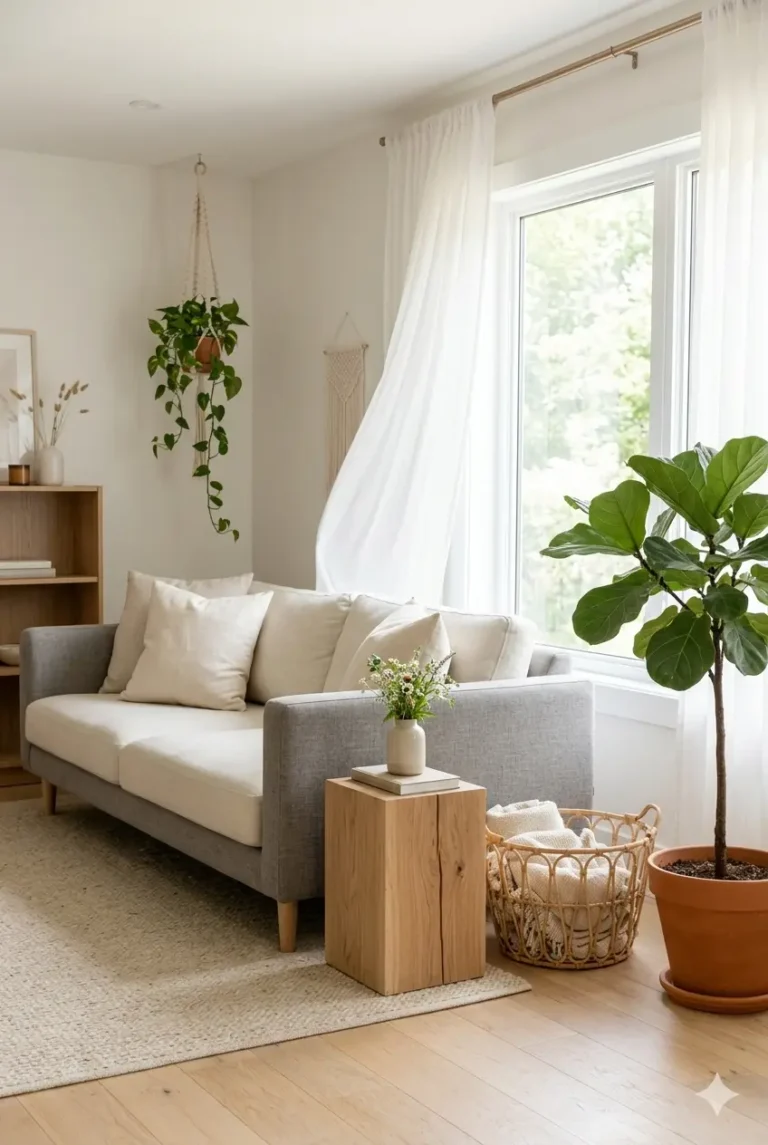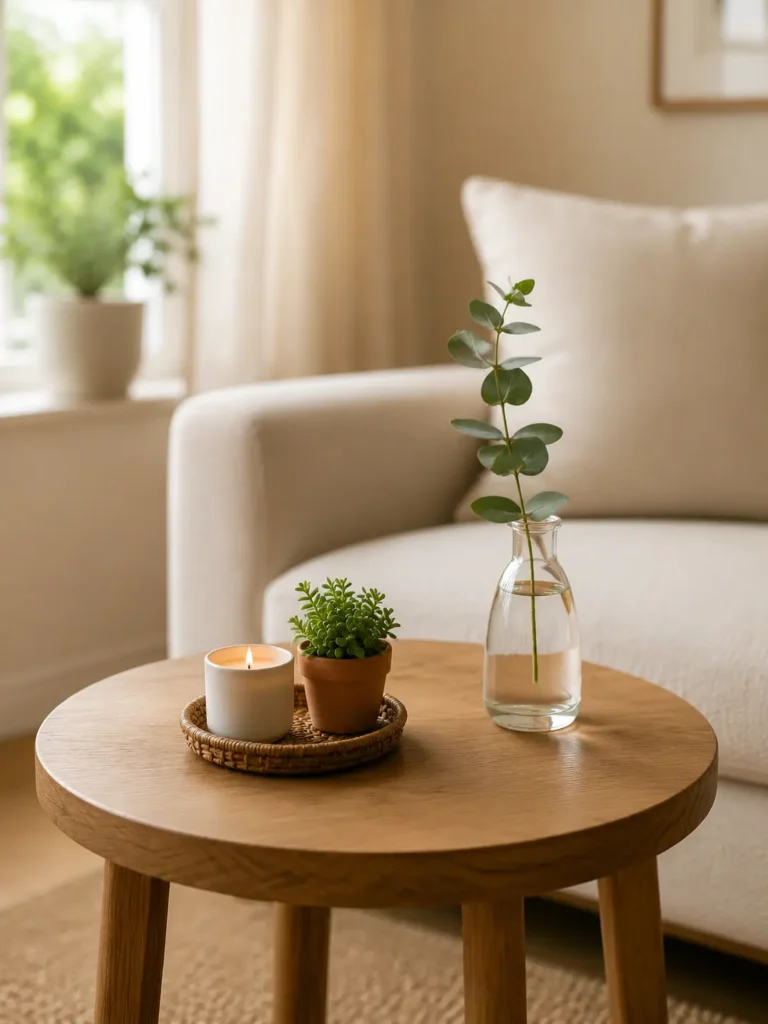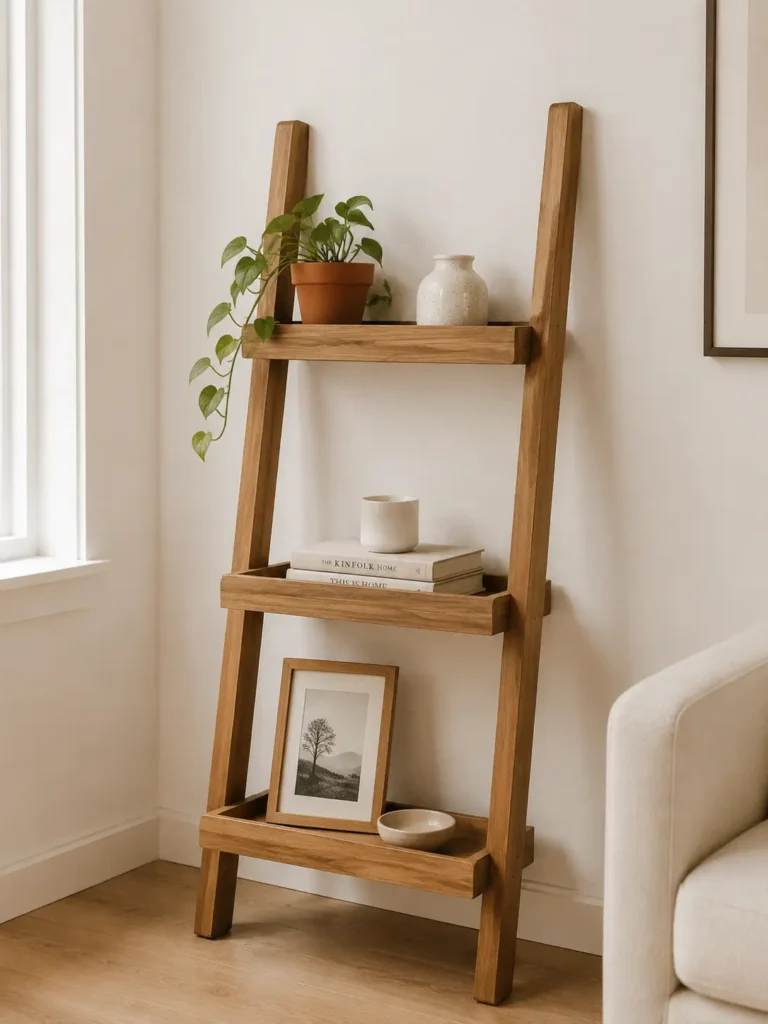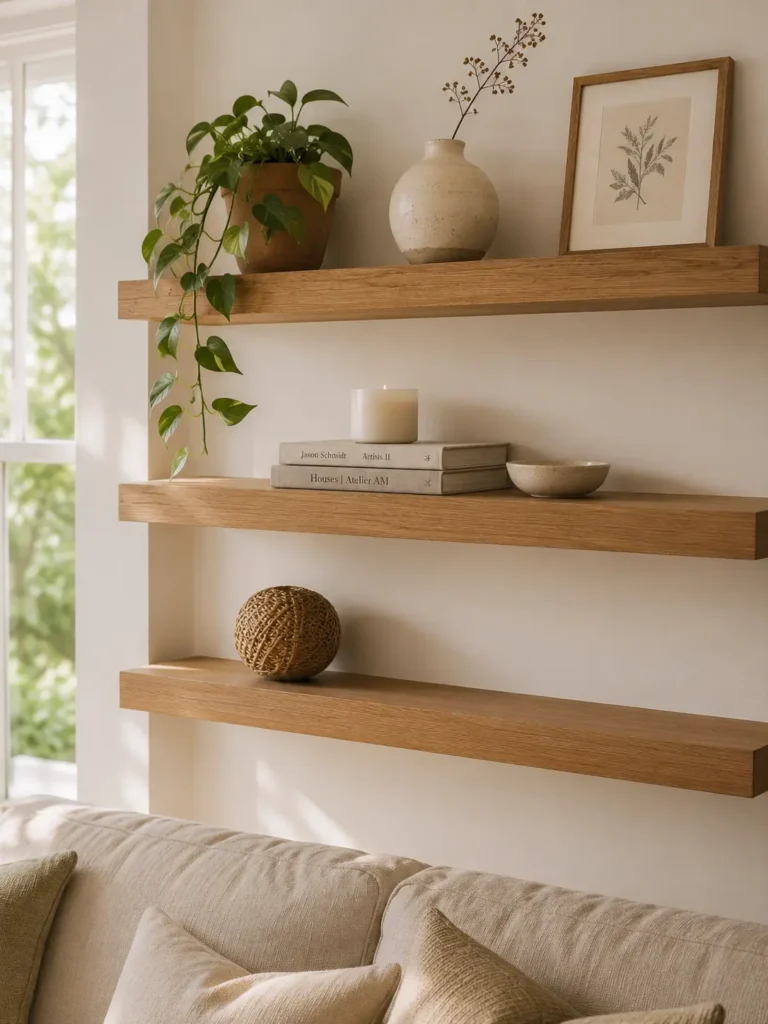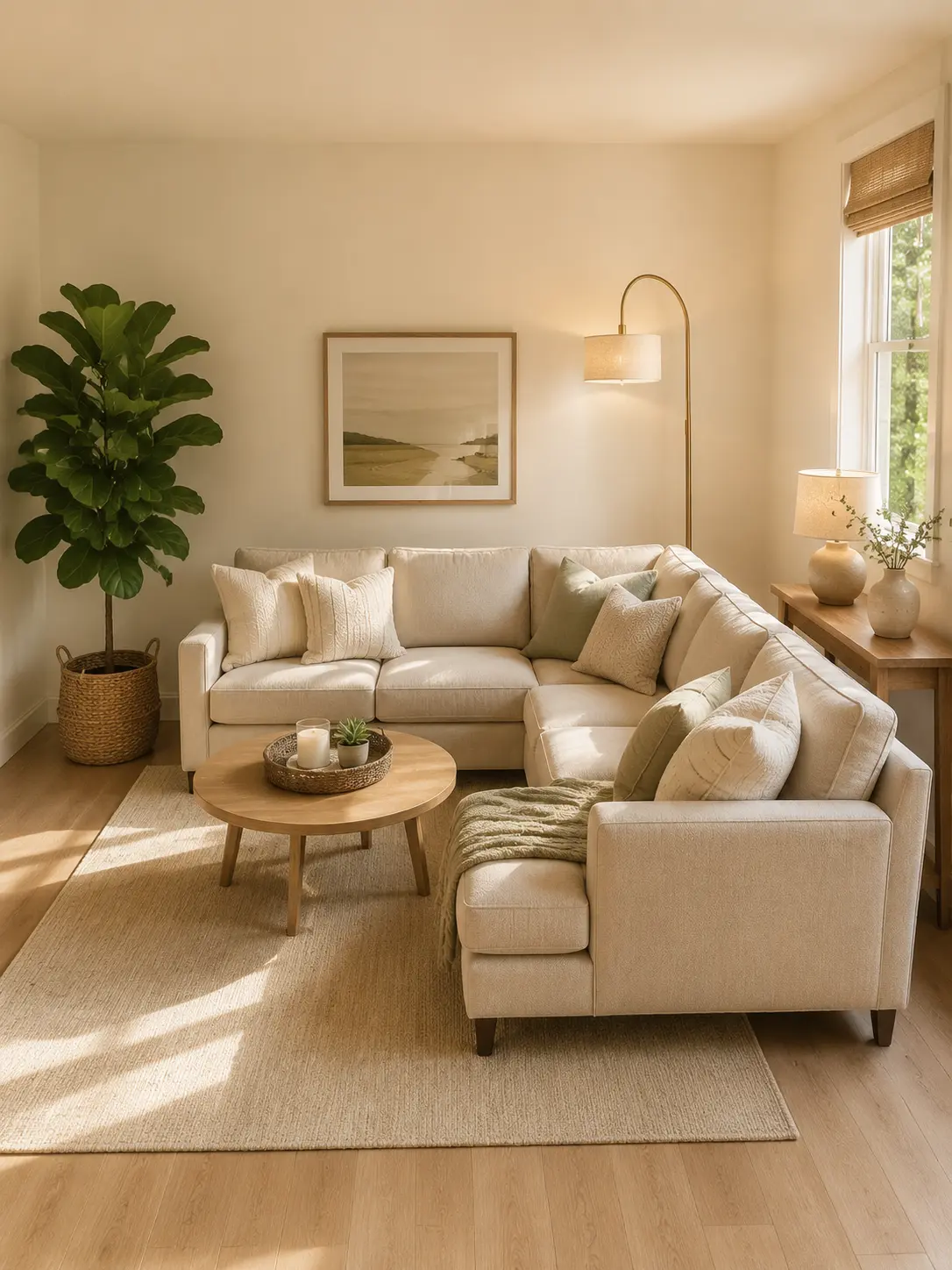
Small Living Room with Sectional Sofa Ideas 3 Layouts That Work
I bought a sectional sofa for my small apartment living room because I wanted maximum seating. What I got was a room that felt like it was eighty percent sofa and twenty percent walking space. For the first month, I genuinely considered selling it and starting over.
The day it arrived, I remember standing in my doorway just staring at it. The delivery guys had placed it where I told them to, pushed against the longest wall. It fit. Barely. But the room suddenly felt like a hallway with a sofa in it. I had made the most expensive decorating mistake of my life.
But I could not afford to replace it. So I spent weeks researching, rearranging, and figuring out how to make a sectional work in a small room. It turns out it is entirely possible. You just need to work with the sectional instead of against it. Today I am sharing the three layout ideas that saved my living room.
Why Sectionals Feel Impossible in Small Rooms
The instinct when you have a large sofa in a small room is to push it against the wall. Every wall. Shove it into a corner and hope it disappears. This is exactly what I did and exactly why it failed.
When a sectional is pushed against walls on two or even three sides, it creates a dead zone. The middle of the room becomes an empty void and all the energy is sucked toward the walls. The room feels like a waiting room, not a living room.
The other mistake is buying a sectional that is simply too large. I did this too. My sectional is technically a small one, but in a room that is barely twelve feet by fourteen feet, it still dominates. If you are buying new, measure obsessively. If you already own the sectional like I did, the layout becomes your only tool.
3 Layout Ideas That Make a Sectional Work
Idea 1. Float the Sectional Away from Every Wall
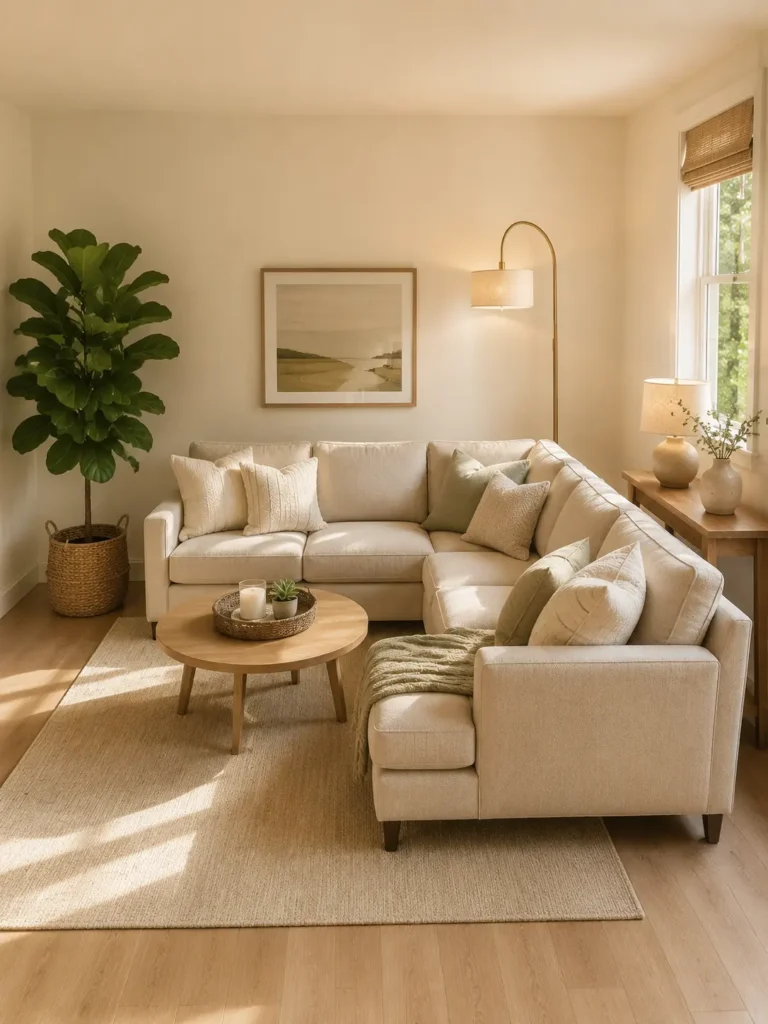
Pull the sectional even six inches away from all walls. The breathing room around it makes the sofa feel less bulky and the room feel larger. This one change transformed my living room more than anything else I tried.
When furniture is pushed against walls, it visually merges with them. The wall becomes part of the sofa and the room shrinks. When you float the sofa, even a few inches, the wall recedes and the sofa becomes a distinct object in the room. It sounds counterintuitive but it works every time.
I floated my sectional toward the centre of the room, about a foot from each wall. Suddenly I had space behind it for a slim console table. The walking path around the room improved dramatically. The dead zone in the middle became a cozy seating area.
Idea 2. Use a Slim Console Behind the Floating Section
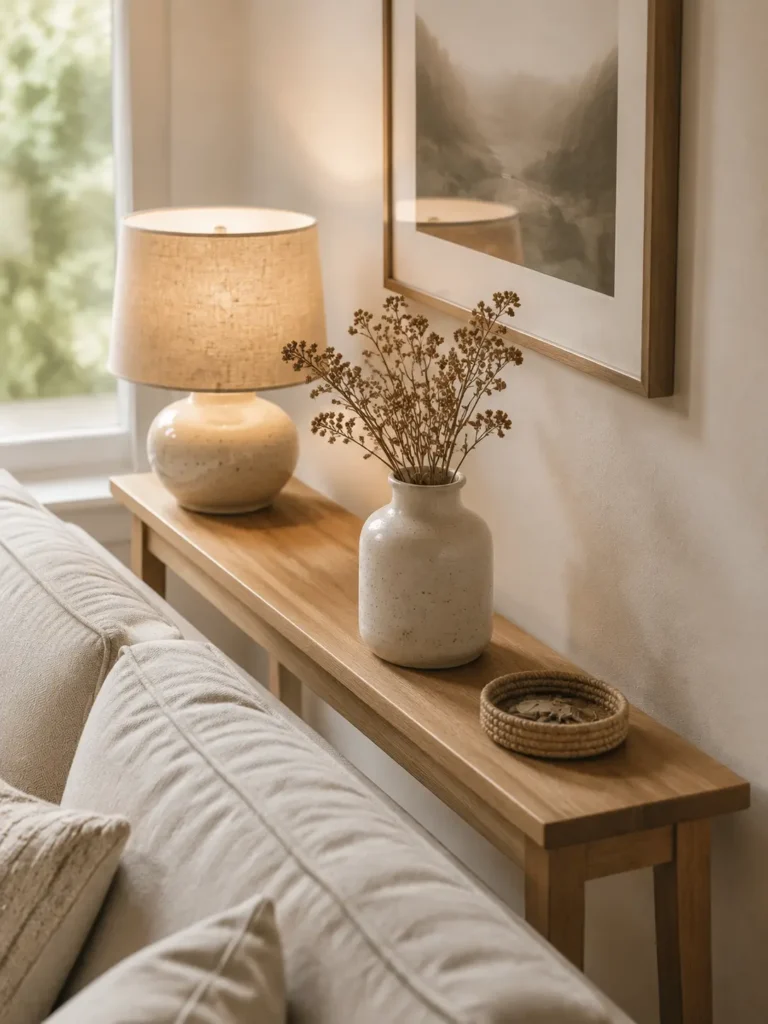
If you float the sofa, put a narrow console table behind the section that faces the entryway. It creates an intentional entry moment and makes the floating placement look deliberate rather than accidental.
I found a console table that is only eight inches deep. It sits behind the short end of my L shaped sectional, the part you see first when you walk into the room. On it, I placed a small lamp, a ceramic vase with dried stems, and a tiny tray for keys. It looks like a designed entryway moment rather than dead space behind a sofa.
The console also serves a practical purpose. It gives me a surface near the door without needing a separate entry table. In a small room where every piece of furniture must earn its place, this dual purpose functionality is everything.
Idea 3. Choose a Round Coffee Table and a Tall Floor Lamp
With a sectional, you need to walk around multiple sides. A round coffee table is easier to navigate than a rectangular one. Sharp corners eat up walking space and create awkward traffic flow.
I swapped my rectangular coffee table for a round wooden one and the difference in how I move through the room is remarkable. No more bumping into corners. The curved edges also soften the room visually, which helps balance the heavy horizontal lines of the sectional.
A tall floor lamp behind one end of the sectional draws the eye upward and balances the horizontal bulk of the sofa. I placed a warm brass floor lamp with a linen shade in the corner behind the chaise end. The vertical line breaks up the long low profile of the sectional and makes the ceiling feel higher.
The One Mistake I Made That You Should Avoid
I mentioned earlier that I bought the wrong size sectional. But the actual mistake was not the size. It was buying without measuring the room first.
I walked into a furniture store, saw a sectional I loved, and ordered it without ever checking the dimensions of my living room. I did not tape out the footprint on the floor. I did not measure the doorways to make sure it would even fit through. I just bought it.
When it arrived, the delivery guys could barely get it through the front door. Once assembled, it filled the room like a cruise ship in a bathtub. I was lucky the layout ideas I shared above worked. If the sectional had been even six inches longer, none of them would have.
Before you buy any large furniture for a small room, tape out the footprint on the floor with painter’s tape. Live with it for a day. Walk around it. Make sure you have at least thirty inches of walking space around all sides. Future you will be grateful.
The Quick Win
Pull your sectional six inches away from every wall right now. Put a floor lamp or tall plant in one of the resulting gaps. The room will instantly feel larger and more intentional. This takes five minutes and costs nothing.
What to Read Next
If you are struggling with a small living room in general, my complete guide to small living room ideas for apartments has eleven space saving secrets that work in any compact space. And if your coffee table also needs help, my coffee table styling guide for small spaces has five clutter free ideas for tiny tables.
Until next time,
Anna, Home Decor Gems 🤍